


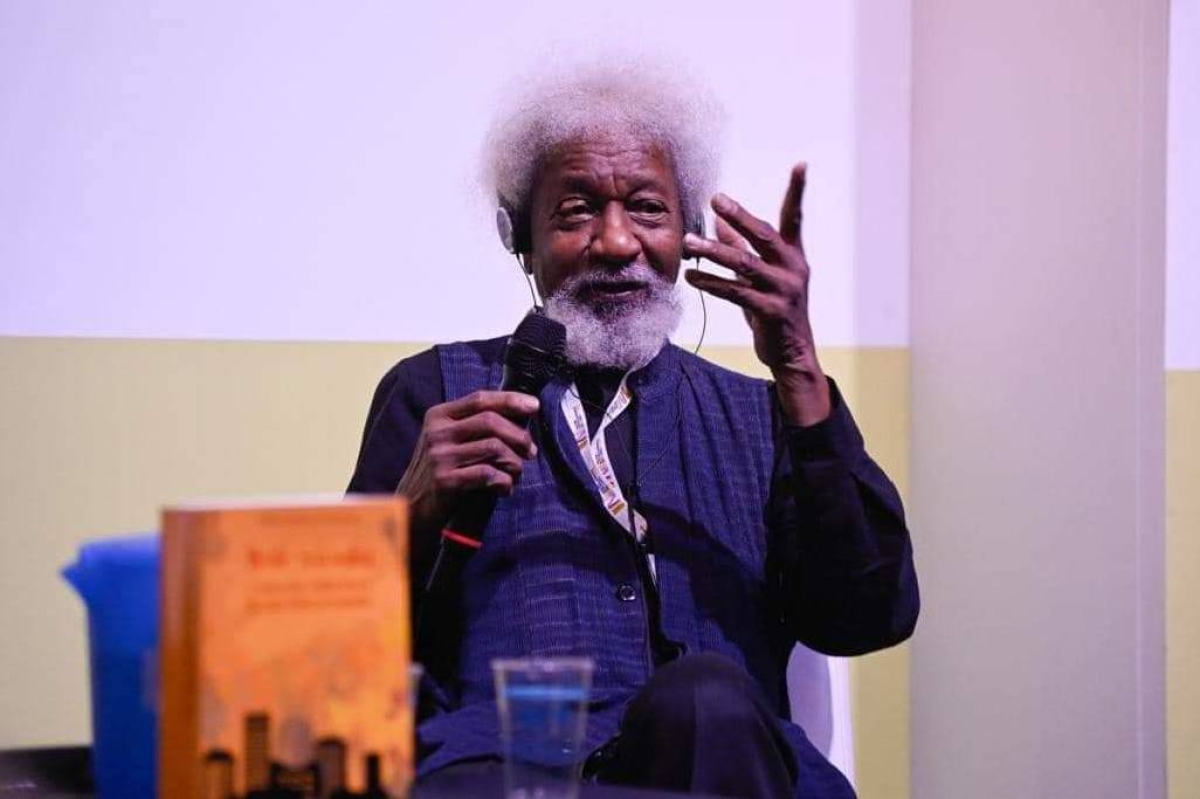
Soyinka’s Nobel Win Lifted African Literature Worldwide
Nigeria’s Literary Giant Broke Through Global Barriers
Wole Soyinka’s 1986 Nobel Prize in Literature marked a turning point for African writing, placing a Nigerian voice at the center of one of the world’s highest literary honors.
He became the first Black African and the first African overall to receive the prize, a milestone still unmatched except by South Africa’s two winners, Nadine Gordimer and J.M. Coetzee.
Read also: VON, FRCN Chiefs Praise Zulum as Borno Shines in Culture
Born in Abeokuta in 1934, Soyinka built a reputation as a playwright, poet, essayist and activist whose work blended Yoruba mythology, classical dramatic structure and sharp political satire.
Plays including A Dance of the Forests and Death and the King’s Horseman helped establish him as one of the continent’s most influential writers. His public life was equally forceful: during the Nigerian Civil War, he was detained for nearly two years after trying to help broker peace, and he later went into exile after criticizing military rule.
Read also: Voice of Nigeria Joins Global Celebrations of World Radio Day
When the Swedish Academy announced the award on Oct. 16, 1986, it praised Soyinka for the way he “in a wide cultural perspective and with poetic overtones fashions the drama of existence.” The citation reflected a career spent turning myth, history and politics into theater that spoke far beyond Nigeria.
In his Nobel lecture in Stockholm, Soyinka warned, “The man dies in all who keep silent in the face of tyranny.”
The line captured the moral urgency that runs through much of his writing and helped explain its resonance in societies struggling with oppression.
Read also: Cameron Opposition Leader Pledges Resistance Against Biya’s Rule
The prize drew new global attention to African drama and poetry, introducing readers to work rooted in Nigerian experience yet universal in its themes of freedom, justice, identity and power.
Nearly four decades later, Soyinka’s Nobel stands as a lasting marker of African literary achievement and the reach of a writer who refused silence.
