


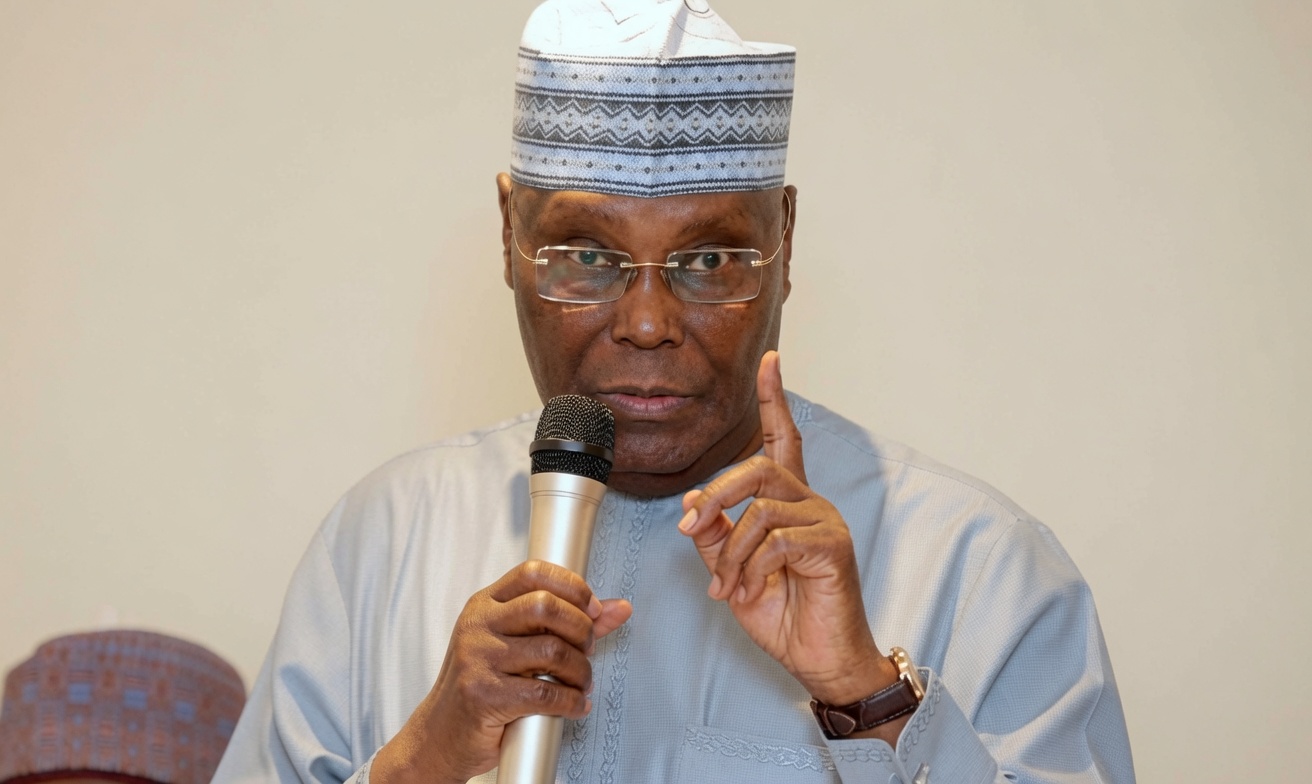
The Media Office of former Vice President Atiku Abubakar has demanded a detailed explanation of the more than N12.8 trillion Service-Wide Vote (SWV) contained in the 2026 Appropriation Act.
The office, in a statement signed by Olusola Sanni, Strategic Media Associate to Atiku Abubakar, criticised the All Progressives Congress (APC) for what it described as an emotional response to concerns raised over the budgetary allocation.
Read also: Kano Hails Quality Control in Ramadan Feeding Programme
It said the ruling party, through its National Publicity Secretary, Felix Morka, failed to respond to the key issue surrounding the significant rise in the Service-Wide Vote.
According to the statement, the allocation increased from N638.34 billion in 2024 to over N12.8 trillion in 2026, representing an increase of approximately 1,918 per cent.
The Atiku Media Office acknowledged that the Service-Wide Vote was a recognised component of the national budget but insisted that the sharp increase required clear explanations from the Federal Government.
It raised concerns about the transparency of the allocation, alleging that substantial portions of the funds were tied to projects that were either vaguely defined or not properly identified.
Read also: Kano Government Distributes Food to Rehabilitation Centres
The office said, “A contingency fund without clear details, accountability and transparency raises legitimate concerns about possible misuse of public funds.”
It also accused the APC of diverting attention from the issue by resorting to personal attacks rather than addressing questions surrounding the allocation.
The statement further claimed that allegations of duplicated budget provisions, unclear project allocations and other questionable appropriations had contributed to declining public confidence in the federal budgeting process.
The Atiku Media Office therefore urged the administration of President Bola Ahmed Tinubu to release a comprehensive breakdown of the N12.8 trillion Service-Wide Vote.
Read also: Kano State Assembly Loses Two Lawmakers
It called for details of all projects covered by the allocation, beneficiaries, implementing agencies and the legal justification for each expenditure.
The office insisted that Nigerians had a right to know how public funds were being allocated and spent, stressing the need for greater transparency and accountability in the management of the nation’s resources.
