


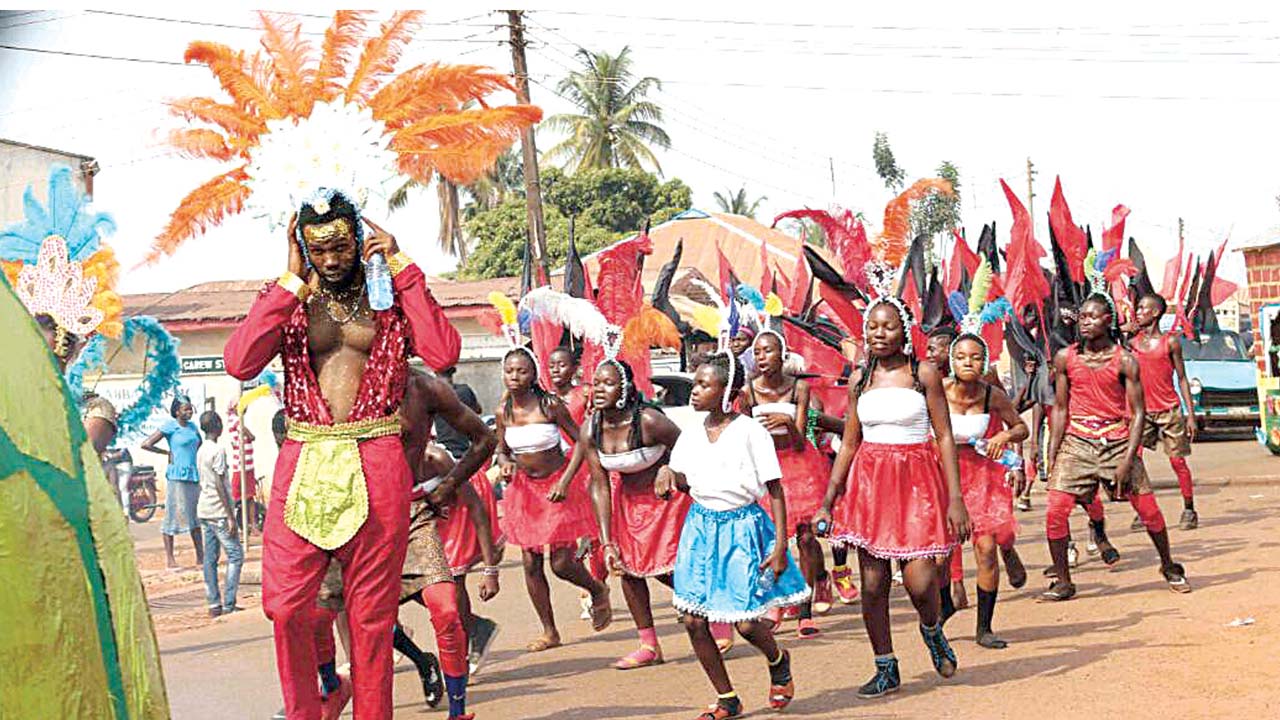
The Federal Capital Territory witnessed a colourful display of culture and unity on Saturday as thousands of Idoma people gathered at the Old Parade Ground in Garki, Abuja, for the 2026 Idoma Day celebration.
The annual cultural festival attracted traditional rulers, professionals, youths, community organisations and families from the nine local government areas of Idoma land, who came together to celebrate their heritage through music, dance, traditional cuisine and cultural exhibitions.
Read also: Kano Celebrate Peaceful Eid-el-Kabir Festivities
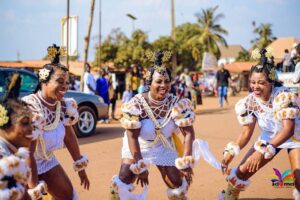
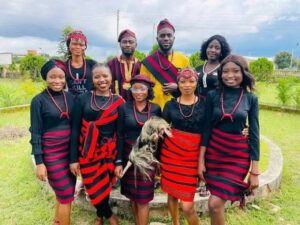
Dressed in vibrant traditional attire, participants transformed the venue into a lively cultural arena as various dance troupes entertained guests with performances reflecting the history, customs and values of the Idoma people.
This year’s celebration focused on preserving indigenous traditions while strengthening unity among Idoma communities both within Nigeria and across the diaspora.
Speaking during the event, Global President of Ochetoha K’Idoma, Prof. Yakubu Ochefu, emphasised the importance of safeguarding the Idoma language and cultural heritage for future generations.
“Our language, customs and cultural values define who we are. Preserving them is essential for sustainable community development and for ensuring that future generations remain connected to their roots,” Ochefu said.
Read also: Kano Celebrate Peaceful Eid-el-Kabir Festivities
Also speaking, President of Ofu K’Idoma, Rear Admiral Andy Onoja Odeh (Rtd.), urged Idoma people worldwide to remain united and work together to advance the progress of their ethnic nationality.
“Our socio-cultural organisations must continue to promote peace, strengthen unity and champion the collective interests of the Idoma people wherever they reside,” he stated.
One of the major attractions at the event was the exhibition of indigenous cuisine, with the popular Okoho soup served alongside pounded yam drawing large crowds, while other traditional delicacies showcased the rich culinary heritage of the Idoma people.
For many young Idoma people raised outside Benue State, the celebration provided a unique opportunity to reconnect with their roots by interacting with elders, experiencing traditional music and dance, and sampling authentic local dishes.
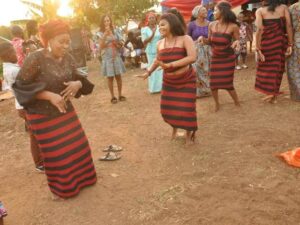
The organisers also welcomed visitors from other ethnic groups, who joined in the festivities and experienced the hospitality, traditions and cultural richness of the Idoma community.
Speakers at the event described Idoma Day as more than a cultural festival, saying it serves as an important platform for preserving indigenous languages, promoting cultural identity, strengthening community bonds and fostering unity among Idoma people across Nigeria and the diaspora.
Read also: KANFEST 2025: Kano Celebrates Vibrant Arts, Culture

They added that as urbanisation and global influences continue to reshape traditional societies, cultural celebrations such as Idoma Day remain crucial for protecting indigenous heritage and ensuring that cultural values are passed on to future generations.
