


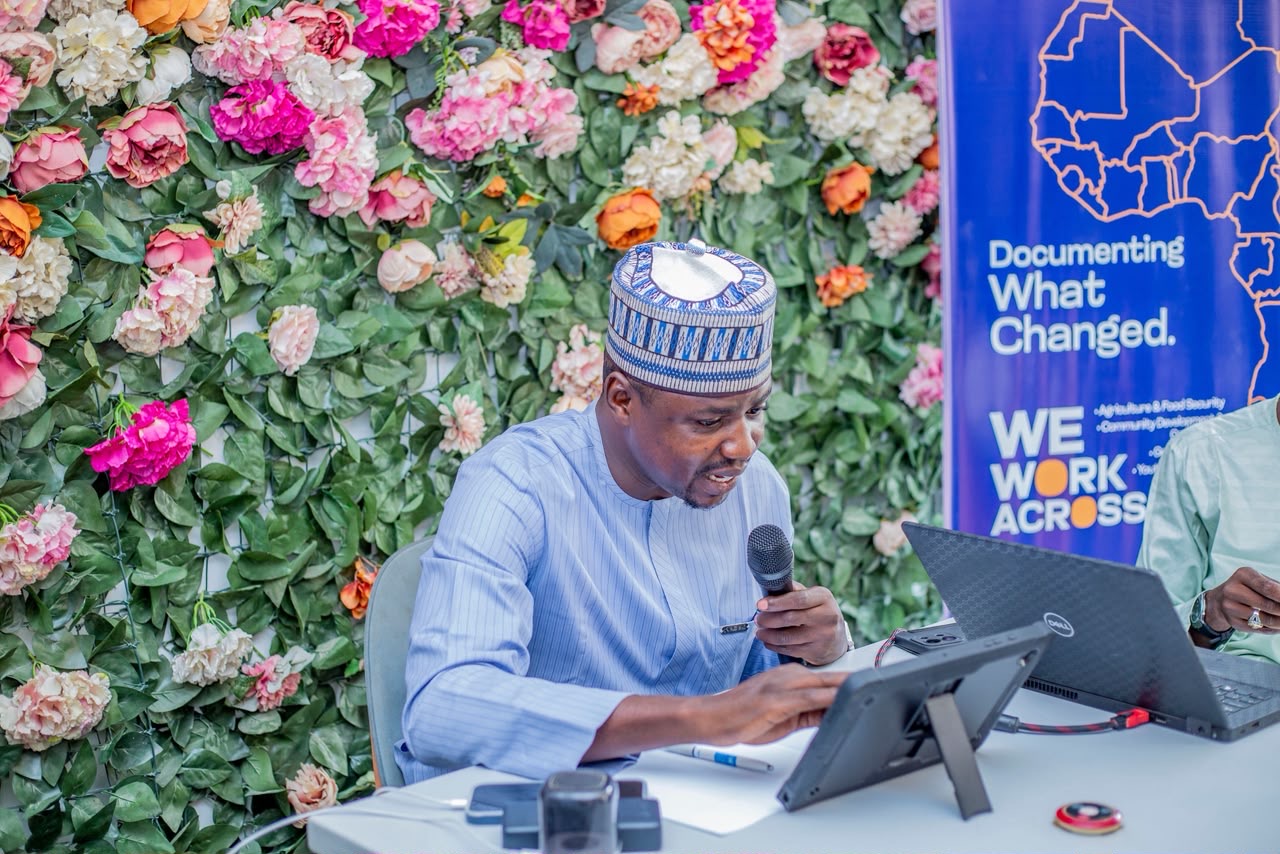
Journalists, researchers, filmmakers and development communication experts have called for a shift in the way development interventions are reported across Africa, urging practitioners to prioritise stories that demonstrate measurable impact on people’s lives rather than merely documenting project implementation.
The call was made in Kano during the inaugural Founding Conversation of the Impact Storytelling for Development Initiative (ISDI), held under the theme, “Documenting What Changed: The Future of Evidence-Based Impact Storytelling in Africa.”
Read also: Nigeria, Botswana Seek Stronger Bilateral Economic Cooperation
The gathering also marked the formal unveiling of ISDI, an independent institution established to promote evidence-based journalism, documentary filmmaking, photography, research and strategic communication aimed at preserving and amplifying the impact of development interventions.
ALSO READ: Kano: Magashi Foundation Boosts Female Journalists with Skills Workshop
Delivering the opening address, ISDI Founder and Executive Director, Ibrahim Ayyuba Isah, said the organisation was created to fill a long-standing gap in development communication by focusing on the real-life outcomes of interventions.
“Every development intervention has two stories. The first is the story of implementation. The second is the story of impact. While implementation tells us what was done, impact storytelling asks a more important question: What changed? ISDI exists to document that second story through evidence, community voices and ethical storytelling,” he said.
Participants observed that although governments, donor agencies and civil society organisations invest heavily in development programmes, many stories showing how those interventions improve lives remain undocumented.
Chief Executive Officer of SIDES Media, Dr. Musa Sufi, described ISDI as a timely initiative capable of broadening conversations around development and encouraging wider participation.
“It is inspiring to see an initiative like this coming from Kano. ISDI has given us another opportunity to make an impact. It provides more people with the opportunity to join the conversation and contribute to meaningful change,” he said.
Speaking on solutions journalism, journalist and Fitila Podcast host, Musbahu El-Hamza, argued that development reporting should critically examine both successful and unsuccessful interventions.
“Development stories do not only focus on what works; they should also examine what does not work and why. If someone tries to implement a solution and the intervention fails, who tells that story and explains why it did not work? That is equally important,” he stated.
Read also: UNILAG Secures Return of Students from China
Also speaking, Head of News at Cool FM, Wazobia FM and Arewa Radio, Abdurrahman Isah, urged journalists to leave urban centres and report stories from underserved communities where development challenges are most visible.
“Building a school alone is not development. We can only call it development when it touches lives and improves the quality of life of the people living in those communities. That is the story journalism should be telling,” he said.
He further stressed that sustained follow-up reporting is often essential in driving accountability and lasting change.
Development journalist and Head of Programmes at Express Radio, Nafisa Murtala Ahmed, emphasised the importance of communities telling their own development stories.
“We are not telling our own development stories or celebrating our community achievements. Development starts with you. When you develop yourself, you can then contribute to the development of your community,” she said.
Founder of KDC Foundation, Khalifa Dankadai, noted that impact storytelling plays a critical role in promoting accountability among governments, development partners and beneficiary communities.

“Impact storytelling ensures that we do not merely report implementation but critically examine what changed, what the situation was before the intervention and how it has improved since then. It helps hold donors, implementers and communities accountable while protecting the gains of development,” he explained.
Other participants, including Dr. Najib Usman, Hannatu Suleiman, Hauwa Mustapha, Hayatuddeen Muhammad, Furera Isiaka and Umar Gombe, highlighted the need for stronger collaboration, research, community participation and evidence-based reporting to advance sustainable development across the continent.
Read also: Soyinka’s Nobel Win Lifts African Literature Worldwide
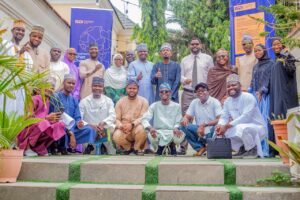
The meeting ended with participants committing to strengthen partnerships among journalists, researchers, filmmakers, development practitioners and communication professionals to ensure development outcomes are properly documented and community voices amplified.
ISDI also announced plans to establish the ISDI Academy, a capacity-building platform that will train young people, women, journalists, photographers, filmmakers and content creators in evidence-based impact storytelling, documentary production and development communication.
