


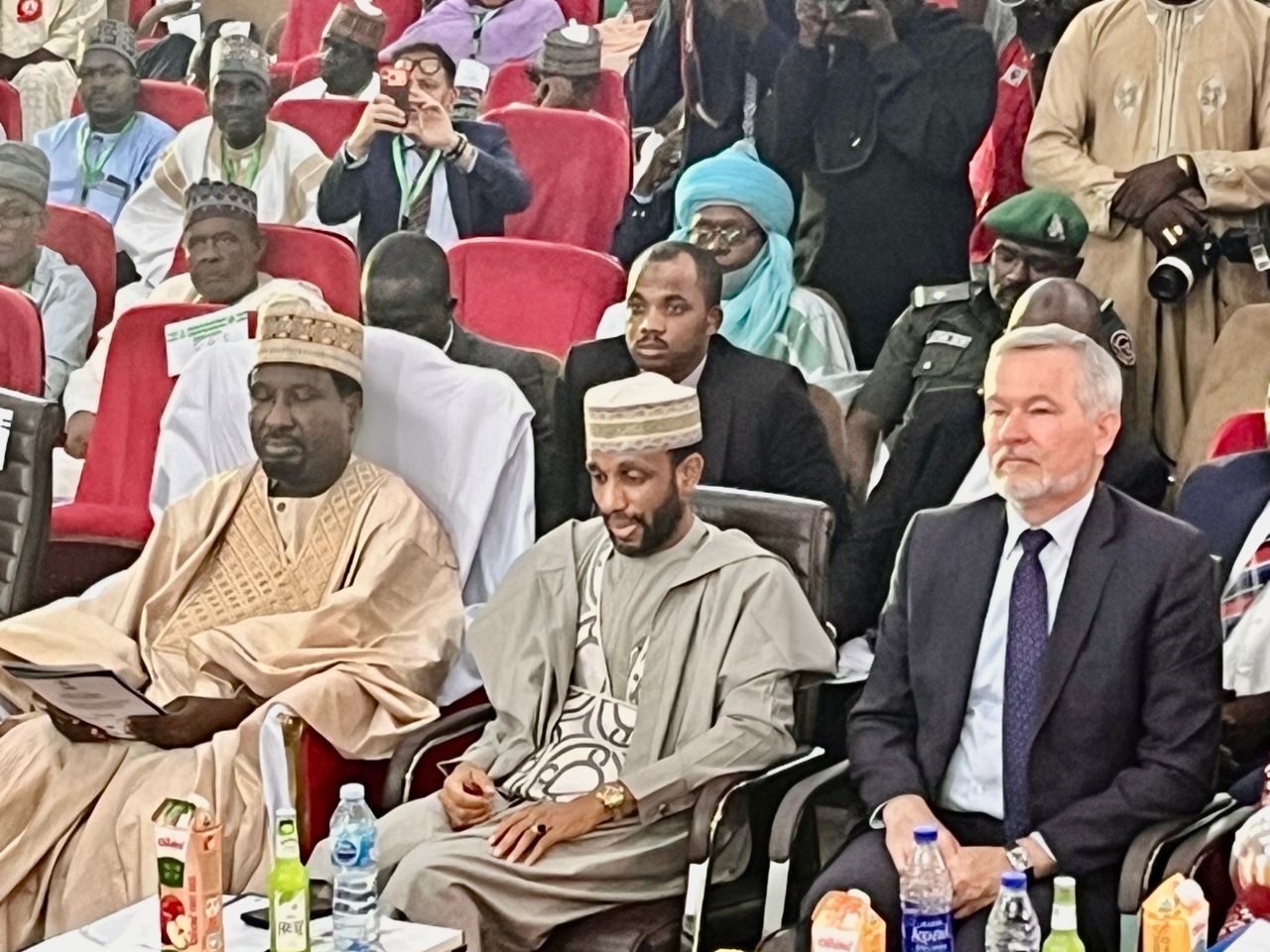
Political leaders, traditional rulers and development partners in Nigeria’s North-West have urged a united approach to tackle poverty, exclusion and vulnerability. They called for stronger safety nets, sustainable funding and more investment in human capital.
The call came during the High-Level North-West Policy Dialogue on “Reducing Multidimensional Poverty through Innovative Financing and a Scaled Social Protection System” at Kano State Government House.
Officials, monarchs, experts and civil society groups met to map out ways to address poverty affecting millions across the region.
Speaking for Vice President Kashim Shettima, Deputy Senate President Senator Barau Jibrin said poverty is not just about low income. It also limits access to learning, healthcare, nutrition and chances for children and families.
He noted that although the North-West has strong potential in farming, trade and business, it still battles insecurity, weak health indicators, education gaps and malnutrition.
Barau said the Federal Government is backing a durable social protection system to shield vulnerable citizens from economic shocks.
He pointed to the planned Universal Child Benefit scheme as a key step that could support families, boost child welfare, raise school attendance and improve access to basic services.
“The child reflects the true state of any society. A hungry child means a hungry future; an out-of-school child means a nation off track,” he said.
In his keynote, Emir of Kano, His Royal Highness Dr. Muhammad Sanusi II, called the region’s poverty figures troubling and urged leaders to move from talk to action.
Sanusi said social spending should be seen as development strategy, not charity, because protecting the vulnerable drives stability, peace and growth.
He asked North-West states to design long-term investment plans for early childhood care, education, health, youth skills, women’s literacy and support for persons with disabilities.
The Emir also urged wider use of Islamic finance tools like Zakat and Waqf to support public funding for poor communities.
He stressed that traditional institutions have a role in spotting vulnerable households, strengthening local support and pushing issues like girls’ schooling, maternal health and child welfare.
“We must be honest about our situation, value what works, and commit to progress we can measure,” Sanusi stated.
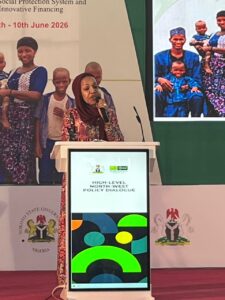
UNICEF Nigeria Representative, Wafaa Saeed Abdelatef, restated the agency’s support for child-focused programs nationwide. She said one in four Nigerian children lives in the North-West, so progress there would impact the whole country and Africa.
She added that strong social protection helps families cope with economic, security and climate shocks and prevents desperate coping methods.
Participants agreed that federal and state governments, development agencies, traditional leaders and communities must work closer to make poverty programs succeed.
The dialogue is expected to produce a plan for funding, monitoring and delivering social protection to improve lives and cut poverty across the North-West.
Read also: FGN Aims for Revenue Growth, Tackles Illicit Flows
