


The Nigerian Association of Women Journalists (NAWOJ), Kano State Chapter, commemorated this year’s World Menstrual Hygiene Day with an awareness campaign aimed at educating Mass Communication students on the importance of menstrual health, hygiene management, and breaking societal stigmas surrounding menstruation.
The event, held at a tertiary institution in Kano, brought together students, lecturers, health professionals, media practitioners, and women advocates who engaged in discussions on menstrual health challenges, access to sanitary products, and the role of young people in promoting accurate information about menstruation.
Read also: NAWOJ Kano Holds Ramadan Lecture on Dangers of Drug Abuse
ALSO READ: Kano Women Affairs Commissioner Pledges Partnership With NAWOJ
Speaking during the programme, the Chairperson of NAWOJ Kano State Chapter Sayyada Baijjah Mallam Kabara, emphasized the need for continuous awareness on menstrual hygiene, describing menstruation as a natural biological process that should not be surrounded by myths, discrimination, or shame.
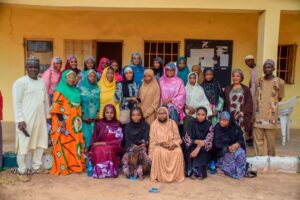
Kabara, noted that many girls and young women still face challenges related to inadequate menstrual health education, poor access to sanitary materials, and cultural misconceptions that negatively affect their confidence, education, and overall well-being.
According to her, the association organized the campaign to empower students with knowledge and encourage them to become advocates for menstrual health awareness within their communities.
“Menstrual hygiene is not only a health issue but also a matter of dignity, education, and gender equality. We believe that young people, especially Mass Communication students, have a critical role to play in changing harmful narratives and promoting informed discussions on menstrual health,” she said.
Health expert Dr Halima, at the event highlighted the importance of maintaining proper menstrual hygiene practices, including the use of clean sanitary products, regular changing of menstrual materials, proper disposal methods, and personal hygiene during menstrual periods.
Read also: Marwa Launches Landmark Arms Training for NDLEA
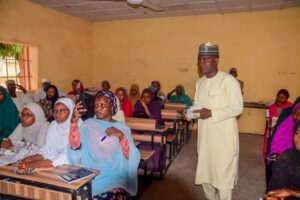
Dr Halima, warned that poor menstrual hygiene management could expose girls and women to infections and other health complications, stressing the need for increased public education and improved access to menstrual health resources.
The students were also encouraged to use their communication skills and media platforms responsibly to raise awareness about menstrual health issues and combat misinformation.
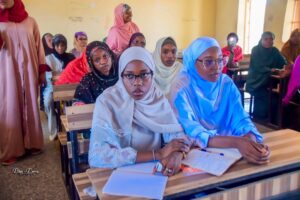
Several participants commended NAWOJ for organizing the programme, describing it as timely and impactful.
They said the discussions helped clarify misconceptions about menstruation and provided valuable information that would benefit both male and female students.
As part of the event, educational materials were distributed to participants, while interactive sessions allowed students to ask questions and share experiences related to menstrual health challenges in their communities.
Read also: Nigeria Government: No Evidence of Ebola Community Spread
The programme formed part of activities marking World Menstrual Hygiene Day, observed annually on May 28 to promote awareness about menstruation and advocate for a world where every girl and woman can manage her menstruation safely, hygienically, and with dignity.
NAWOJ Kano reaffirmed its commitment to supporting initiatives that promote women’s health, education, and empowerment, while calling on government agencies, development partners, educational institutions, and community leaders to intensify efforts aimed at improving menstrual health awareness and access to hygiene products for girls and women across the state.
