


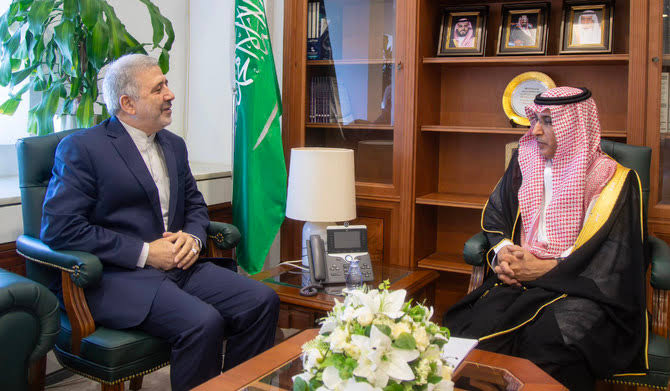
Saudi Arabia and Iran have reaffirmed their commitment to restoring full diplomatic relations, signalling a renewed effort to ease years of regional tensions through expanded political, economic and security cooperation.
The two countries agreed to fully implement their diplomatic normalisation process by reopening their embassies and reviving the 2001 security cooperation agreement, alongside broader partnerships in trade, investment, culture and other areas of mutual interest.
The renewed commitment is expected to strengthen dialogue between the two regional powers while promoting greater stability across the Middle East after years of strained relations.
As part of the understandings reached, Iran reportedly agreed to work toward limiting attacks by Yemen’s Houthi movement on Saudi targets, particularly those linked to shipping and trade routes in the Red Sea. The development is seen as a significant confidence-building measure aimed at reducing threats to one of the world’s busiest maritime corridors.
Officials familiar with the discussions said both governments recognise that sustained diplomatic engagement is essential for addressing regional security concerns and improving economic cooperation.
“The restoration of diplomatic relations represents an important step toward rebuilding trust and expanding cooperation in areas that serve the interests of both countries,” a source familiar with the discussions said.
The renewed dialogue also seeks to encourage collaboration on regional security issues while creating opportunities for increased commercial exchanges and cultural interaction between the two nations.
Analysts believe the revival of the 2001 security agreement could provide a framework for addressing cross-border security challenges, improving intelligence cooperation and reducing tensions that have fuelled instability across the Gulf region.
“Greater cooperation between Saudi Arabia and Iran has the potential to improve regional stability, support economic growth and reduce the risk of further conflict,” a regional affairs analyst noted.
Observers say the latest move underscores the determination of both countries to replace confrontation with diplomacy, while opening a new chapter in bilateral relations that could have far-reaching implications for peace, trade and security across the Middle East.
