


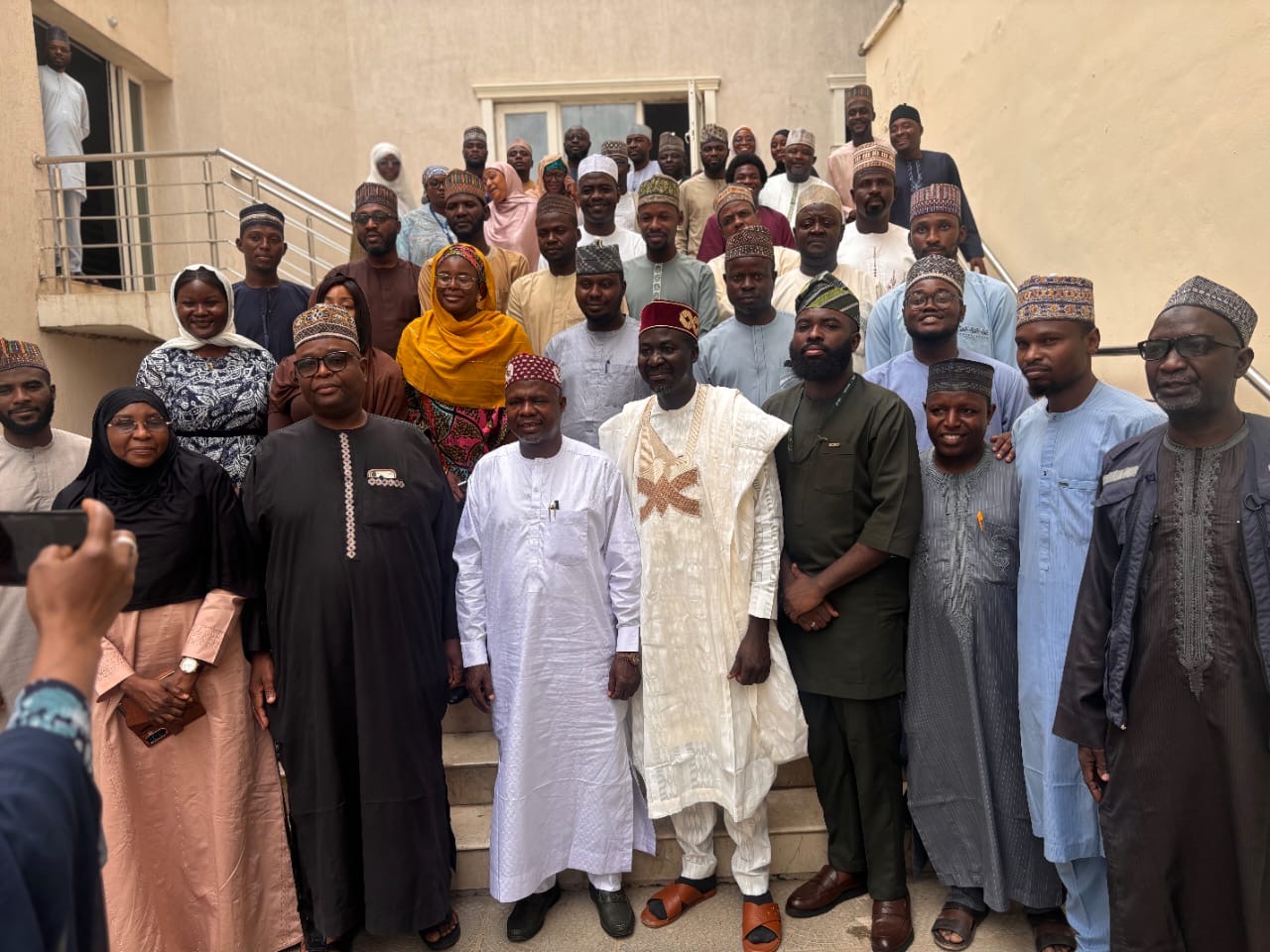
The Kano State Primary Health Care Management Board (KSPHCMB), in collaboration with the Solina Centre for International Development and Research (SCIDaR), has taken steps to strengthen and sustain Routine Immunisation (RI) coordination across the state.
The initiative was discussed at a one-day RI Coordination Co-Creation Workshop held on Wednesday, September 2, 2026, at Tahir Guest Palace, Kano.
Read also: KCTC Provides N12m Free Radiotherapy
The workshop, chaired by the Director-General of KSPHCMB, Professor Salisu Ahmad Ibrahim, brought together members of the Kano State Emergency Routine Immunisation Coordinating Committee (SERICC), KSPHCMB leadership, Technical Working Group leads and representatives of development partners, including the Gates Foundation’s Senior Programme Officer, Dr. Sa’ad Abdulmumin.
READ ALSO: Maulud: Best Choice Specialist Hospital Congratulates Kano Governor, Muslims Globally
The engagement was organised under the SPARK project, through which SCIDaR has been supporting the state to strengthen RI programme coordination, with plans underway to transition full ownership of the coordination process to the state government.
Participants reviewed existing coordination mechanisms, examined findings from a desk review and Key Informant Interviews, and worked towards developing a sustainable, state-owned model for RI coordination.
Read also: EU Partners Deepen Kano Development Youth Empowerment, Ties
The workshop also provided an opportunity for stakeholders to identify lessons learned, strengthen collaboration and accountability, and agree on measures to ensure effective government ownership of RI coordination structures.
Speaking at the meeting, Professor Ibrahim urged the Kano SERICC and other stakeholders to remain proactive and responsive as national Routine Immunisation indicators continue to evolve.
He called for regular assessment of the state’s performance, stronger coordination among stakeholders and timely adaptation of strategies to align with national expectations and emerging priorities.
Read also: Marwa Launches Landmark Arms Training for NDLEA
The KSPHCMB Director-General also stressed the importance of sustained government ownership, clearly defined responsibilities, accountability and effective collaboration with development partners in improving Routine Immunisation outcomes.
The workshop is expected to culminate in an agreed coordination structure and clear actions for implementation, with the broader goal of sustaining immunisation gains, improving accountability and ensuring that Kano’s RI programme remains responsive to changing national priorities.
