


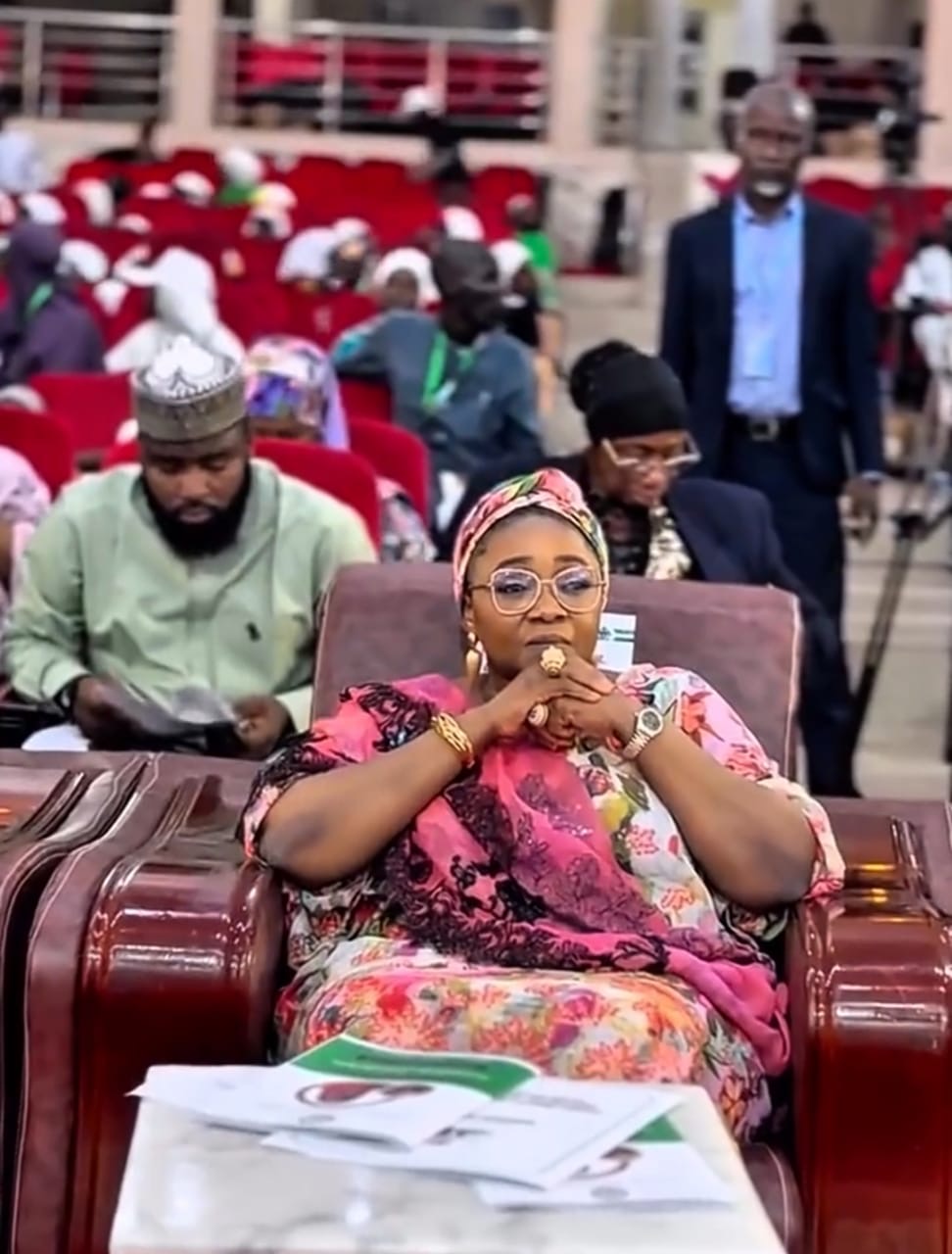
Nigerian government has launched the National Strategy and Costed Action Plan on Ending Child Marriage in Nigeria (2025–2030), calling for coordinated action, adequate funding and stronger child protection systems to safeguard girls across the country.
The Minister of Women Affairs and Social Development, Hajiya Imaan Sulaiman-Ibrahim, stated the launch at the commemoration of the 2026 International Day of the Girl Child in Kano, urging government institutions, traditional rulers, religious leaders and development partners to work together to end child marriage.
Read also: Kano Strengthens Routine Immunisation Coordination
The strategy covers the North-West and North-East geopolitical zones and is designed to translate national commitments into practical interventions, with clearly defined responsibilities, funding requirements and mechanisms for monitoring progress.
The minister stressed that the success of the initiative would depend on measurable improvements in girls’ lives rather than policy announcements alone.
“It will be measured by the number of girls who stay in school or return to it, the number of communities that adopt protective practices, the quality and reach of support services; the resources committed and actually released; and the measurable reduction in the conditions that keep a girl from completing her secondary education and leave her exposed to child marriage,” she said.
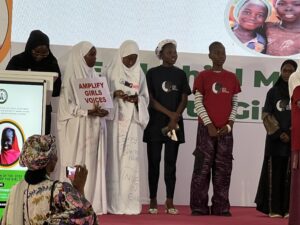
Sulaiman-Ibrahim identified poverty, school exclusion, insecurity, gender discrimination, harmful traditional practices and inadequate social protection as factors contributing to child marriage.
She explained that the practice not only disrupts girls’ education but also exposes them to early pregnancy, domestic violence and economic dependence, while reinforcing poverty across generations.
The minister called on federal ministries, state governments and local government authorities to incorporate the strategy into their programmes and budgets, stressing that interventions must be coordinated across education, healthcare, social welfare and child protection services.
She also emphasised the need to enforce child protection laws, establish accessible reporting and referral systems, support girls whose education has been interrupted and provide economic assistance to vulnerable families.
According to her, education remains central to preventing child marriage, requiring increased access to basic and secondary schooling, improved school retention, safer learning environments and better water, sanitation and menstrual health facilities.
The minister commended Kano State Governor, Abba Kabir Yusuf, for initiatives aimed at promoting girls’ education, including scholarships, free bus transportation for girls and the adoption of school re-entry guidelines for married adolescent girls.
Read also: DR Congo Begins Ebola Vaccination Campaign
She urged other states to consider similar measures.
According to her investing in girls’ education would strengthen Nigeria’s human capital, expand economic opportunities and contribute to national development.
Speaking at the event, the Chief of UNICEF Field Office Kano, Shafeeq Ur-Rehman, described child marriage as a serious threat to children’s rights, noting that it deprives girls of educational opportunities, exposes them to protection risks and limits their future prospects.
Citing the 2024 Nigeria Demographic and Health Survey, Ur-Rehman said approximately one in three young women nationally were married before the age of 18, while the proportion was nearly one in two in the North-West and North-East.
He listed the prevalence in Bauchi, Jigawa, Katsina and Kano states as 74 per cent, 72 per cent, 69 per cent and 39 per cent, respectively, compared with the national figure of 33.4 per cent.
“Behind every number is a girl with a voice, potential and dreams,” he said, calling for sustained efforts to address poverty, gender inequality, harmful social norms and gaps in essential services.
The UNICEF official congratulated the Federal Government on the launch but stressed that the strategy must move beyond policy commitments to practical implementation.
“A costed plan must become a financed and implemented plan, reflected in state priorities, budgets, strong services and measurable results,” he said.
He urged participating states to demonstrate clear political commitment, increase domestic funding and strengthen education, healthcare and protection systems to ensure that more girls complete school and are protected from child marriage.
Ur-Rehman reaffirmed UNICEF’s readiness to work with government institutions, development partners, civil society organisations and communities to implement the strategy and secure lasting improvements in the lives of girls.
Read also: UNICEF, Stakeholders Urge Ethical Reporting to Safeguard Children
The minister said the national initiative must reach communities, villages, schools and households where girls face the greatest barriers, rather than remain concentrated in state capitals.
She formally launched the strategy by calling for accelerated and adequately funded action towards a Nigeria where every girl is protected, educated and empowered to fulfil her potential.
