


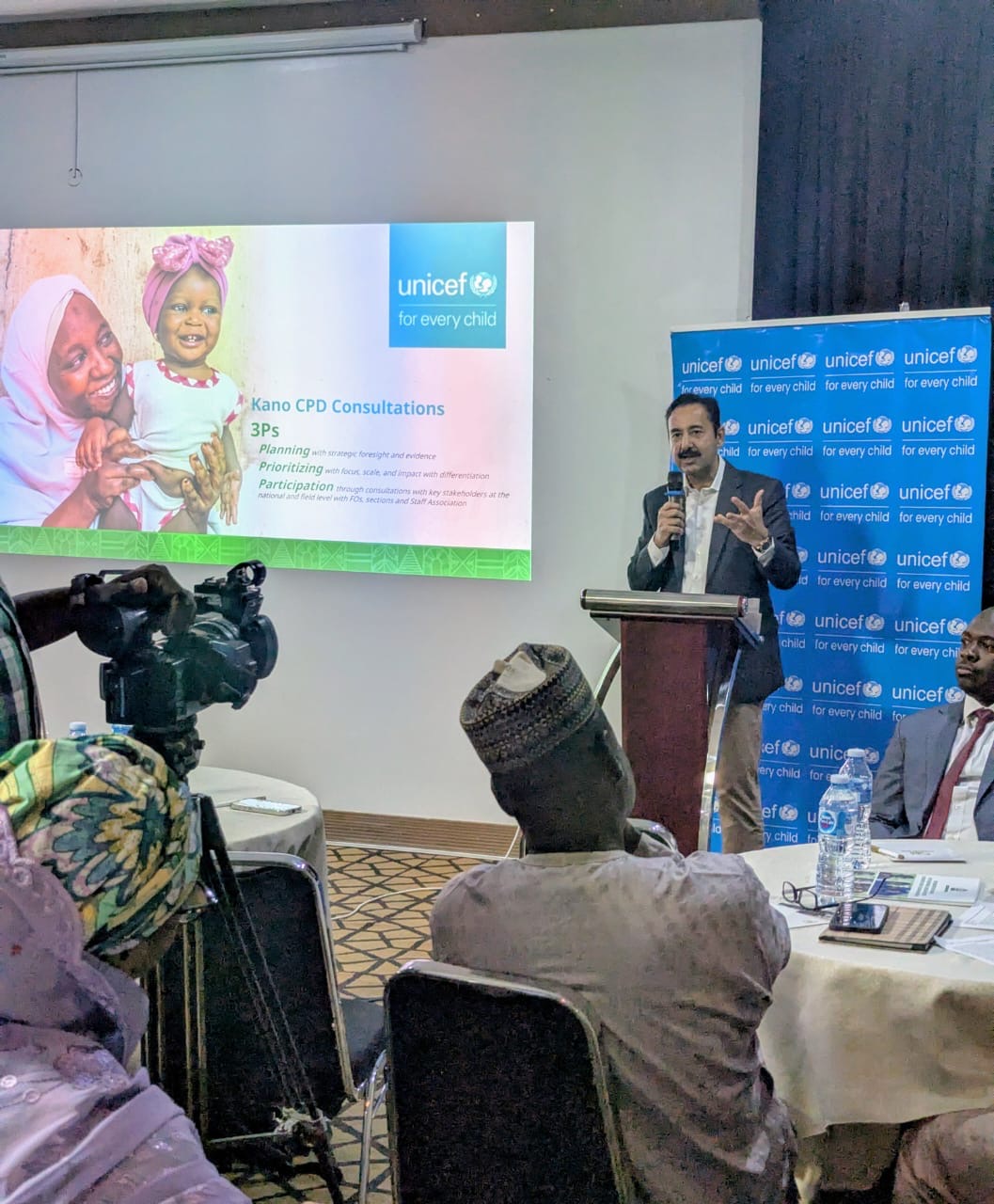
The United Nations Children’s Fund (UNICEF), in collaboration with the governments of Kano, Jigawa and Katsina states, has begun consultations to design the 2028–2032 Federal Government of Nigeria/UNICEF Country Programme aimed at improving child welfare and reducing multidimensional child poverty across the Northwest.
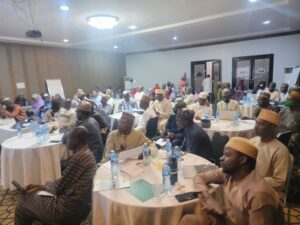
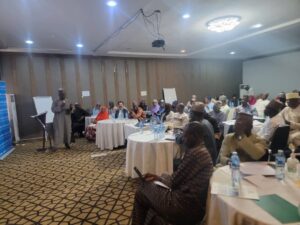
The two-day planning meeting, held at the UNICEF Kano Field Office, convened senior government officials, commissioners, permanent secretaries, development partners, civil society organisations and representatives of persons with disabilities to define priority areas that will shape UNICEF’s interventions over the next five years.
Opening the consultation, the Chief of UNICEF Kano Field Office, Shafeeq Ur-Rehman, said the planning process would be driven by the priorities identified by stakeholders rather than externally imposed solutions.
ALSO READ: Kano Residents Praise UNICEF Birth Registration Exercise
“We are here to listen, learn and co-create—not to present predetermined solutions. The programme must reflect the realities facing children today while remaining flexible enough to respond to future challenges,” he said.
Ur-Rehman noted that the next Country Programme would respond to emerging issues affecting children, including rapid population growth, urbanisation, climate change, insecurity, technological advancement and economic pressures.
He stressed that addressing children’s challenges requires coordinated efforts across multiple sectors, including education, healthcare, nutrition, child protection, social protection, water and sanitation, climate resilience and governance.
“Children’s lives are not experienced in silos, and neither should our solutions be. Our response must be integrated and designed to strengthen government systems for lasting impact,” he added.
Responding to questions from journalists, Ur-Rehman explained that the proposed 2028–2032 programme represents the next phase of UNICEF’s ongoing partnership with Nigeria, following the completion of the current Country Programme in 2027.
According to him, the five-year review process provides an opportunity to assess previous achievements, identify new challenges and refine interventions to better meet the evolving needs of children.
Delivering a goodwill message on behalf of the Kano State Government, the Acting Permanent Secretary of the Ministry of Planning and Budget commended UNICEF for adopting an inclusive and evidence-based planning approach that allows government institutions and partners to jointly determine development priorities.
He acknowledged UNICEF’s longstanding contributions to strengthening healthcare delivery, nutrition, education, child protection, water, sanitation and hygiene services, social policy and emergency response programmes across Kano State.
The permanent secretary, however, observed that serious challenges persist, including child malnutrition, learning poverty, inadequate healthcare services, poor access to safe water and sanitation, climate-related risks and widening socio-economic inequalities.
“This consultation offers us the opportunity to review our progress, identify existing gaps and develop practical, innovative and sustainable solutions that respond to the realities of our communities,” he said.
He called on participants to provide practical recommendations capable of strengthening public institutions, improving service delivery and ensuring that development interventions are aligned with government priorities.
The official reaffirmed Kano State’s commitment to sustaining collaboration with UNICEF and other development partners through stronger coordination, evidence-based planning and increased investment in programmes that improve the wellbeing of children.
The consultation is expected to produce recommendations that will shape the 2028–2032 Federal Government of Nigeria/UNICEF Country Programme, which will guide child-focused interventions across Kano, Jigawa and Katsina states during the next implementation cycle.
