


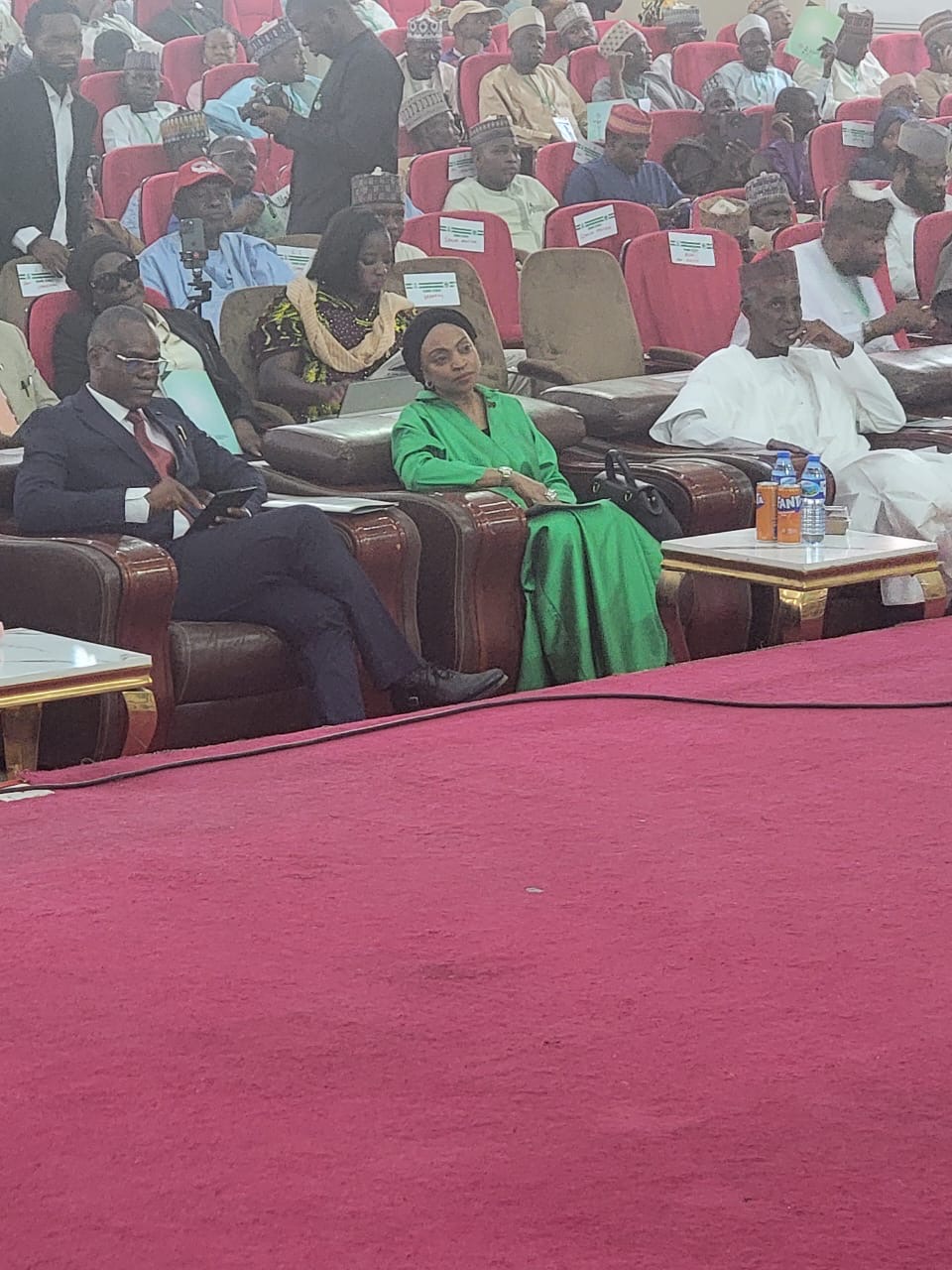
Federal Government of Nigeria has introduced a set of simplified trade guides and toolkits aimed at helping businesses navigate opportunities under the African Continental Free Trade Area (AfCFTA).
The Minister of Industry, Trade and Investment, Jumoke Oduwole, launched the materials in Kano during the North-West Subnational Tour and Public-Private-Press engagement on AfCFTA.
The resources, available in English, Hausa, and Arabic, are designed to make trade procedures easier to understand, particularly for small and medium enterprises (SMEs) and informal traders.
Oduwole explained that the guides break down complex requirements such as rules of origin, customs processes, standards compliance, and market entry conditions.
She noted that the initiative aligns with the Renewed Hope Agenda of President Bola Ahmed Tinubu, which seeks to expand economic opportunities at all levels.
She added that several regulatory agencies would remain in Kano temporarily to offer on-the-spot services, including business registration, product certification, and issuance of certificates of origin.
The programme also features practical export simulations and training sessions to help businesses transition from theory to actual trade.
The minister further highlighted the government’s “One Local Government, One Export Product” initiative, encouraging each local government area to identify and promote at least one exportable product.
According to her, Nigeria has already recorded progress under AfCFTA, including the introduction of an air cargo corridor that has significantly reduced freight costs on selected African routes.
She said Nigerian goods ranging from food products to textiles and processed items are increasingly gaining traction across the continent.
In his remarks, Kano State Governor Abba Kabir Yusuf, represented by the Secretary to the State Government, Umar Farouk Ibrahim, described Kano as a historic commercial hub well-positioned to benefit from continental trade.
He emphasized the state’s readiness to leverage AfCFTA through industrial growth, improved logistics, and SME development.
Also speaking, the Permanent Secretary of the ministry, Chris Isokpunwu, said the engagement signals a shift from awareness campaigns to practical implementation at the grassroots level.
The Executive Vice Chairman of NASENI, Khalil Halilu, reaffirmed the agency’s commitment to supporting local manufacturers in improving product quality and scaling production.
Meanwhile, the Executive Director of the Nigerian Export Promotion Council, Nonye Ayeni, disclosed that Nigeria achieved a record $6.1 billion in non-oil exports in 2025. She described AfCFTA as a major avenue for further expanding the country’s export capacity.
The National Coordinator of the Nigeria AfCFTA Coordination Office, Patience Okala, noted that the newly introduced “ABCs of doing business under AfCFTA” toolkit was produced in multiple languages to ensure wider accessibility.
The engagement continues with technical sessions, regulatory clinics, and export simulations aimed at equipping Nigerian businesses to compete effectively within the African market.
Read also: ITF, NECA, FG Seek Stronger Support for Technical Skills
