


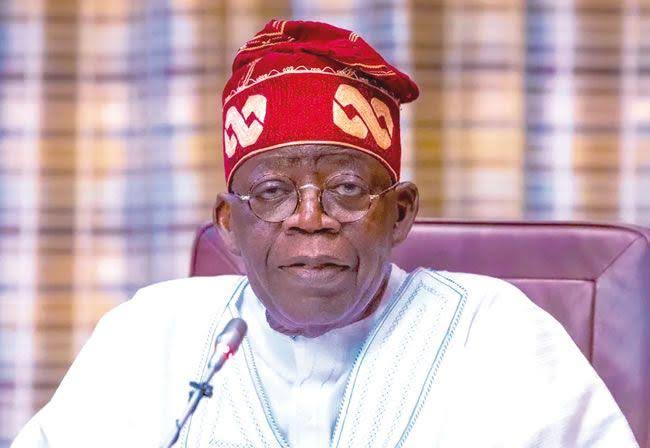
Nigerian President Bola Ahmed Tinubu has reaffirmed that Nigeria’s newly enacted tax laws will commence as scheduled on January 1st, 2026, insisting that the reform programme remains on course despite ongoing public debate around some provisions.
In a State House press statement issued on December 30, 2025, the President clarified that the tax laws that took effect on June 26, 2025, alongside the remaining Acts slated for January 2026, will be implemented fully as planned.
Read also: Navy Inaugurates Solar-Powered Water Projects in Kano
President Tinubu described the tax reforms as a once-in-a-generation opportunity to lay a fair, competitive, and resilient fiscal foundation for the country, stressing that the measures are not intended to increase the tax burden on Nigerians.
“The tax laws are not designed to raise taxes,” the President stated, explaining that the reforms are aimed at achieving a structural reset, promoting harmonisation, protecting citizens’ dignity, and strengthening the social contract between the government and the people.
He called on all stakeholders—including businesses, tax authorities, and civil society—to support the implementation phase, noting that the reform agenda has now moved firmly into the delivery stage.
Read also: Kano Emir Calls for University Leadership in AI Policymaking
Addressing public concerns and speculations about possible amendments to some provisions of the newly enacted laws, President Tinubu said no substantial issue has been identified that would justify disrupting the reform process.
“Absolute trust is built over time through making the right decisions, not through premature, reactive measures,” he said, cautioning against actions that could undermine the credibility and consistency of the reform effort.
The President reiterated his administration’s unwavering commitment to due process and the sanctity of enacted laws, assuring Nigerians that the Presidency will continue to work closely with the National Assembly to swiftly resolve any issues that may arise during implementation.
Read also: Navy Inaugurates Solar-Powered Water Projects in Kano
He further pledged that the Federal Government would always act in the overriding public interest, with the goal of building a tax system that promotes prosperity, equity, and shared responsibility.
The reaffirmation signals the government’s determination to push ahead with far-reaching fiscal reforms seen as central to improving revenue efficiency, boosting investor confidence, and supporting sustainable economic growth in Nigeria.
