


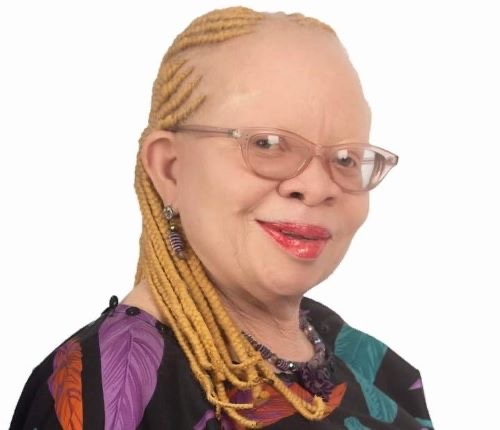
The National President and Executive Director of the Albinism Association of Nigeria (AAN), Bisi Bamishe, has called for a more inclusive and comprehensive approach to addressing women’s issues in Nigeria, with particular attention to the challenges faced by women and girls with disabilities.
Ms Bamishe made the call during a press briefing in Lagos on Sunday to mark the International Women’s Day, 2026.
She noted that many women continue to face significant social and economic challenges despite their roles as mothers, caregivers and contributors to national development.
According to her, stronger policies and social protection systems are needed to safeguard the dignity, safety and empowerment of women across the country.
Bamishe explained that while all women deserve to live free from discrimination, violence and exclusion, those living with disabilities often experience multiple forms of discrimination and vulnerability.
She stressed that efforts to address women’s issues must deliberately consider the needs of persons with disabilities, noting that many women in this category face neglect, poverty and different forms of abuse.
The AAN president also drew attention to the specific difficulties encountered by women and girls living with albinism.
She said they frequently face stigma, harmful stereotypes and limited access to basic services.
Speaking from personal experience as a woman living with albinism, Bamishe said many affected women are exposed to health risks related to sun exposure and often struggle to access healthcare, education and economic opportunities.
She therefore urged government agencies, civil society organisations, development partners and the media to strengthen efforts toward inclusive policies and programmes that support women and girls with albinism.
Bamishe also called for greater public awareness to dispel myths and misconceptions about albinism, improved access to dermatological care and sun protection products, as well as more inclusive education and economic empowerment programmes.
She added that building an equitable society requires empathy, equality and inclusion, emphasizing that sustainable development cannot be achieved if any group is left behind.
According to Ms Bamishe, “the voices and rights of women and girls with albinism must be recognized, respected and protected in order to achieve a more just society”.
