


Nigeria on Saturday marked a century since the first aircraft landed in the country, celebrating the milestone with honours for pioneers who shaped the nation’s aviation history.
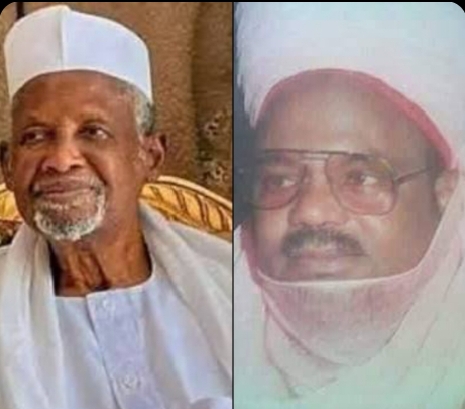
The centenary celebration, held in Kano, recognised notable Nigerians including the late Adamu Dan Kabo, the late Alhaji Aminu Dantata, the late Emir Usman Bin Abdullahi II (the 9th Emir of Kano), the late Sa’ad Sa’id, and the late Mallam Aminu Kano, who received posthumous awards for their pioneering roles in the sector.
The three-day event, organised by the Caliphate Aviation Training Centre with support from the Federal Airports Authority of Nigeria (FAAN) and other partners, also presented awards of excellence and efficiency to several veterans, institutions, and individuals for their contributions to aviation growth.
Read also: Nigeria Eyes Bigger Share of Global Halal Trade
For his part, the Managing Director of Caliphate Aviation Training Centre and Head of Planning and Coordination for the centenary celebration, Sa’id Sa’ad, said the initiative was driven by a vision to revive interest and investment in aviation.
“A properly harnessed aviation sector can create thousands of jobs not only in the North but across Nigeria,” he said.
Read also: Kano Sets New Durbar Guidelines to Ensure Peaceful Eid-el-Fitr
“Since the first aircraft landed in Kano, we’ve had the divine opportunity to build on that legacy. The future is bright — we have the manpower, traffic, and capacity; all we need is to put our house in order,” he added.
Sa’ad explained that the Caliphate Aviation Training Centre remains committed to “training the next generation of aviators” through a structured mentorship programme linking retired veterans with young enthusiasts.
In a keynote lecture titled “100 Years of Nigerian Aviation: The Legacy of the Nigerian Air Force”, Flying Officers A. A. Sokoya and A. M. Ogunjemiyi traced the nation’s aviation journey from the first aircraft landing in Kano in 1925 to the establishment of the Nigerian Air Force in 1964.
Read also: Customs Highlights B’Odogwu, Communication Reforms
They highlighted aviation’s central role in national development, technological advancement, and defence, while calling for stronger collaboration between civil and military aviation to enhance Nigeria’s global competitiveness.
Highlights of the centenary included keynote lectures, attendance by traditional leaders, symbolic “passing of the baton” from veteran aviators to younger generations, as well as flight simulations and demonstrations.
